
Volver a tutoriales 火木由子
火木由子
Tutorial de Anima
anima的写tag小教程
Anima到底应该怎么写Prompt? 先说结论:Anima不是“只能写Danbooru Tag”的模型。它本身就是用「Danbooru-style tags + 自然语言描述 + 两者混合」训练的。所以完全没必要把一个复杂画面硬拆成几十个Tag。 一、Anima最基础的Tag写法 首先最重要的一点:Anima的普通T…
火木由子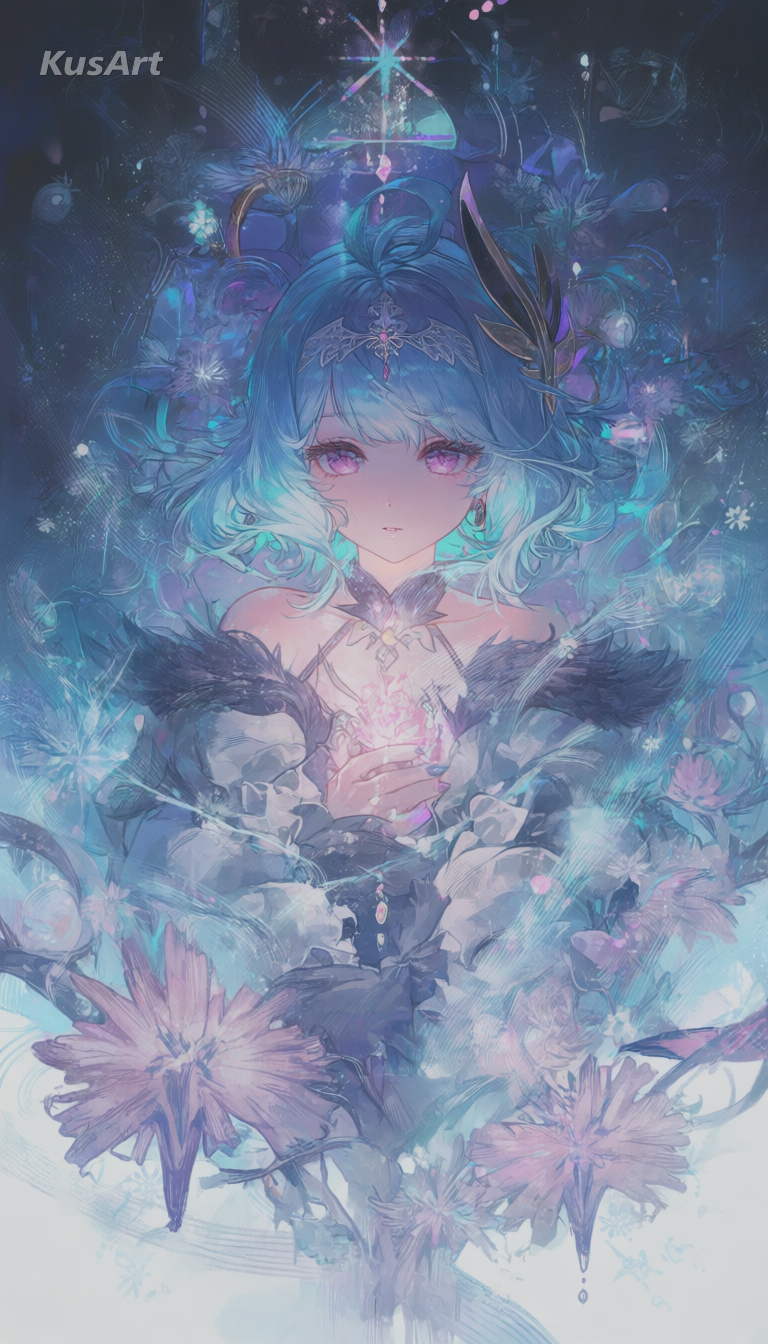
Anima到底应该怎么写Prompt?
先说结论:Anima不是“只能写Danbooru Tag”的模型。它本身就是用「Danbooru-style tags + 自然语言描述 + 两者混合」训练的。所以完全没必要把一个复杂画面硬拆成几十个Tag。
一、Anima最基础的Tag写法
首先最重要的一点:Anima的普通Tag建议使用小写,并且用「空格」代替传统Danbooru里的下划线。
比如传统SD常见的是:
long_hair blue_eyes looking_at_viewer white_dress
到了Anima更推荐写成:
long hair blue eyes looking at viewer white dress
但是有一个例外:score类Tag依然保留下划线。
比如:
score_7 score_8 score_9
这个一定要注意。
二、官方推荐的Tag顺序
Anima官方给出的基本顺序是:
质量 / 元数据 / 年份 / 安全 ↓ 人数 ↓ 角色 ↓ 作品 ↓ 画师 ↓ 普通Tag
简单理解就是:
masterpiece, best quality, score_7, safe, 1girl, hatsune miku, vocaloid, @artist, long hair, aqua hair, blue eyes...
这个顺序不是“必须严格按照这个顺序”。官方也说明了,同一个分类里面的Tag可以自由调整。所以不用太纠结某一个Tag到底应该放第8个还是第9个。
三、最常用的基础模板
如果你刚开始玩Anima,我建议先从这个模板开始:
masterpiece, best quality, score_7, safe, 1girl, character name, series name, general tags
例如初音未来:
masterpiece, best quality, score_7, safe, 1girl, hatsune miku, vocaloid, aqua hair, very long hair, twin tails, blue eyes
然后再慢慢往里面增加服装、动作、环境和构图。
四、Anima其实非常适合“Tag + 自然语言”
这是我觉得Anima最有意思的地方。
很多人看到它支持Danbooru Tag,就会习惯性地把所有东西都写成:
1girl, solo, standing, looking at viewer, long hair, blue eyes, dress, night, moon, sky...
但如果你想做比较复杂的画面,其实完全可以直接用英文描述。
比如:
An anime girl with very long aqua hair is standing alone in a vast empty space. Her hair gently floats around her, surrounded by faint fragments of unfinished sheet music. The scene feels quiet, lonely and dreamlike, with soft blue light and deep negative space.
这种写法Anima也是支持的。
官方甚至明确提到,如果纯自然语言Prompt太短,很容易出现比较意外的结果。如果完全使用自然语言,建议至少写两句话,并且把画面描述得具体一点。
五、所以我个人更推荐这种混合写法
比如:
masterpiece, best quality, score_7, safe, 1girl, hatsune miku, vocaloid, aqua hair, very long hair, twin tails, blue eyes, black dress, translucent fabric,
She is standing alone in a vast empty space, gently touching her chest with one hand. Her long twin tails float weightlessly around her, while fragments of blank sheet music drift through the air. Soft blue light surrounds her, creating a quiet and melancholic atmosphere with a strong sense of negative space.
这样写的好处是:角色信息用Tag锁定。服装、外观可以继续用Tag。而动作、构图、空间关系、氛围、故事感,直接用自然语言描述。不用为了一个复杂构图硬找对应的Danbooru Tag。
六、画师Tag是Anima比较特殊的地方
如果你要使用画师Tag,一定要注意:前面必须加 @。
例如:
@artist name
而不是:
artist name
官方明确说明了,如果不加@,画师Tag的效果会非常弱。
所以:
@xxx
才是Anima推荐的画师写法。
如果你之前一直用SDXL的画师Tag习惯,这里一定要改。
七、Anima的权重和SDXL不太一样
这个也是非常容易踩坑的地方。
Anima支持类似SD的权重:
(chibi:2)
但是官方特别说明:Anima需要的权重通常比SDXL更高。
也就是说你以前在SDXL里面习惯:
(character:1.1) (style:1.2) (artist:1.3)
到了Anima不一定有明显效果。
不要看到1.1、1.2没反应,就觉得Anima完全不支持权重。
Anima官方给出的例子直接就是:
(chibi:2)
所以如果确实需要强化某个概念,可以尝试更高一点的权重。不过我个人建议也不要一上来就疯狂堆到3、4、5。先从2左右测试,再根据实际效果调整。
八、质量Tag怎么写?
普通Anima官方推荐的正面前缀是:
masterpiece, best quality, score_7, safe,
负面可以使用:
worst quality, low quality, score_1, score_2, score_3, artist name, blurry, jpeg artifacts, chromatic aberration
这里有个细节:不是说你必须永远把这些全部塞进去。它只是官方推荐的基础写法。
Anima本身训练时就有大量Tag dropout,所以并不需要把所有可能相关的Tag全部写进去。
九、Anima-Aesthetic要稍微区别对待
如果你用的是Anima-Aesthetic,而不是普通Anima Base,这里又有一点区别。
Anima-Aesthetic本身就是针对高质量图片进行微调的,而且训练时已经去掉了质量Tag。
所以Aesthetic版本其实不需要强行堆:
score_9 score_8 score_7
这些东西。
官方还特别提醒:不要同时在正面和负面大量使用score_*。
如果画面出现过度细节、噪点、视觉上很“脏”的感觉,可以优先考虑降低CFG,或者去掉score类Tag。
所以:
Base版:
masterpiece, best quality, score_7, safe,
可以作为一个比较稳妥的起点。
Aesthetic版:
masterpiece, best quality,
甚至直接进入主体描述也完全可以。
十、不要把Anima当成传统SDXL来写
这是我觉得最重要的一点。
如果你以前主要使用SDXL、Pony、NovelAI之类的模型,很容易形成一个习惯:“我必须把画面全部转换成Tag。”
Anima其实没这个限制。
它的训练数据本身就包含:
Danbooru-style tags + 自然语言caption + Tag和自然语言混合
所以Anima非常适合:
“角色Tag + 服装Tag + 画面自然语言”
这种写法。
例如:
masterpiece, best quality, score_7, safe, 1girl, hatsune miku, vocaloid, aqua hair, very long hair, twin tails, white dress, translucent sleeves,
Hatsune Miku is sitting quietly beside a large window at night. The city lights outside are blurred into distant points of light, while moonlight falls across her hair. The composition is calm and spacious, with a strong feeling of loneliness and silence.
这种Prompt其实比:
1girl, sitting, window, night, city, moon, long hair, dress...
更容易表达你真正想要的“画面”。
十一、如果是复杂构图,我建议这样写
我自己比较推荐把Prompt分成几个逻辑层:
① 画质
masterpiece, best quality, score_7
② 人数
1girl, solo
③ 角色
hatsune miku, vocaloid
④ 外观
aqua hair, very long hair, twin tails, blue eyes
⑤ 服装
black dress, translucent fabric, ribbon
⑥ 构图
close-up, dynamic composition, asymmetric composition, negative space
⑦ 环境
empty space, floating sheet music, soft light
⑧ 最后用自然语言补充画面故事
She stands alone in a silent space...
这样就非常好控制。
十二、一个比较完整的Anima示例
比如我要画一个“没有名字的感情”这种偏空灵的初音未来:
masterpiece, best quality, score_7, safe, 1girl, solo, hatsune miku, vocaloid, aqua hair, very long hair, twin tails, blue eyes, black dress, translucent fabric, delicate ribbon, close-up, asymmetric composition, negative space, floating sheet music, soft blue light,
Hatsune Miku stands alone in a vast and quiet space, gently touching her chest with one hand. Her long hair drifts weightlessly around her as fragments of unfinished sheet music slowly disappear into the darkness. There is no visible stage and no obvious source of sound. The image should feel like an emotion that exists before it has become a song, quiet, lonely, ethereal and slightly melancholic.
这种时候就不要再疯狂添加:
lonely, sad, melancholic, emotional, beautiful...
十几个同义词。
把真正重要的东西描述清楚,反而更容易得到想要的画面。
十三、最后总结一下
如果你只记住几条,我觉得记这几个就够了:
1. Anima支持Danbooru Tag,也支持自然语言。 2. 普通Tag建议小写。 3. 普通Tag用空格,不要用下划线。 4. score_7这种score Tag依然保留下划线。 5. 画师Tag前面一定加@。 6. Anima支持权重,而且通常需要比SDXL更高的权重。 7. 复杂构图不要全部硬翻译成Tag,可以直接用自然语言描述。 8. 多角色的时候,不要只写角色名字,最好顺便描述每个人的外观,不然容易串角色。 9. Anima-Aesthetic不需要疯狂堆score_*。 10. 最推荐的其实不是“纯Tag”或者“纯自然语言”,而是两者混合。
简单来说:
Tag负责“这是什么”。
自然语言负责“它正在发生什么”。
这可能才是Anima比较舒服的Prompt写法。
以上主要是根据Anima官方Hugging Face模型卡整理的,具体效果还是会受到版本、采样器、CFG和具体工作流影响。